
What Is a Fertility Bracelet?

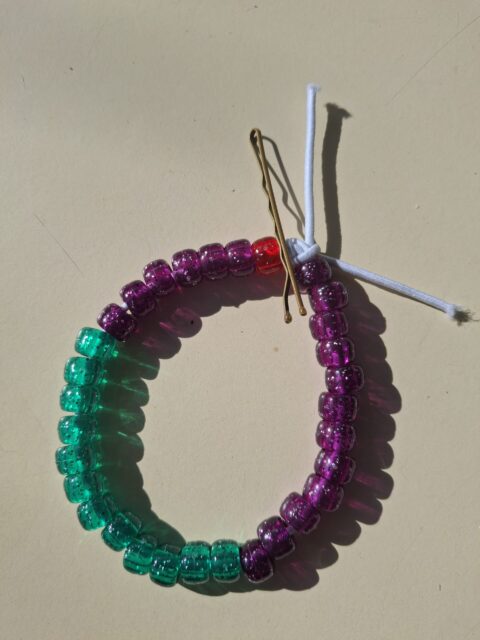
You can stay up to date on your menstrual cycle by marking your place with a bobby pin and moving it one bead each day.

Puede mantenerse al día con el ciclo de menstruación, marcando su lugar con un ganchito, moviéndola por una perla cada día.

Fertility Bracelet

How To Use a Fertility Bracelet

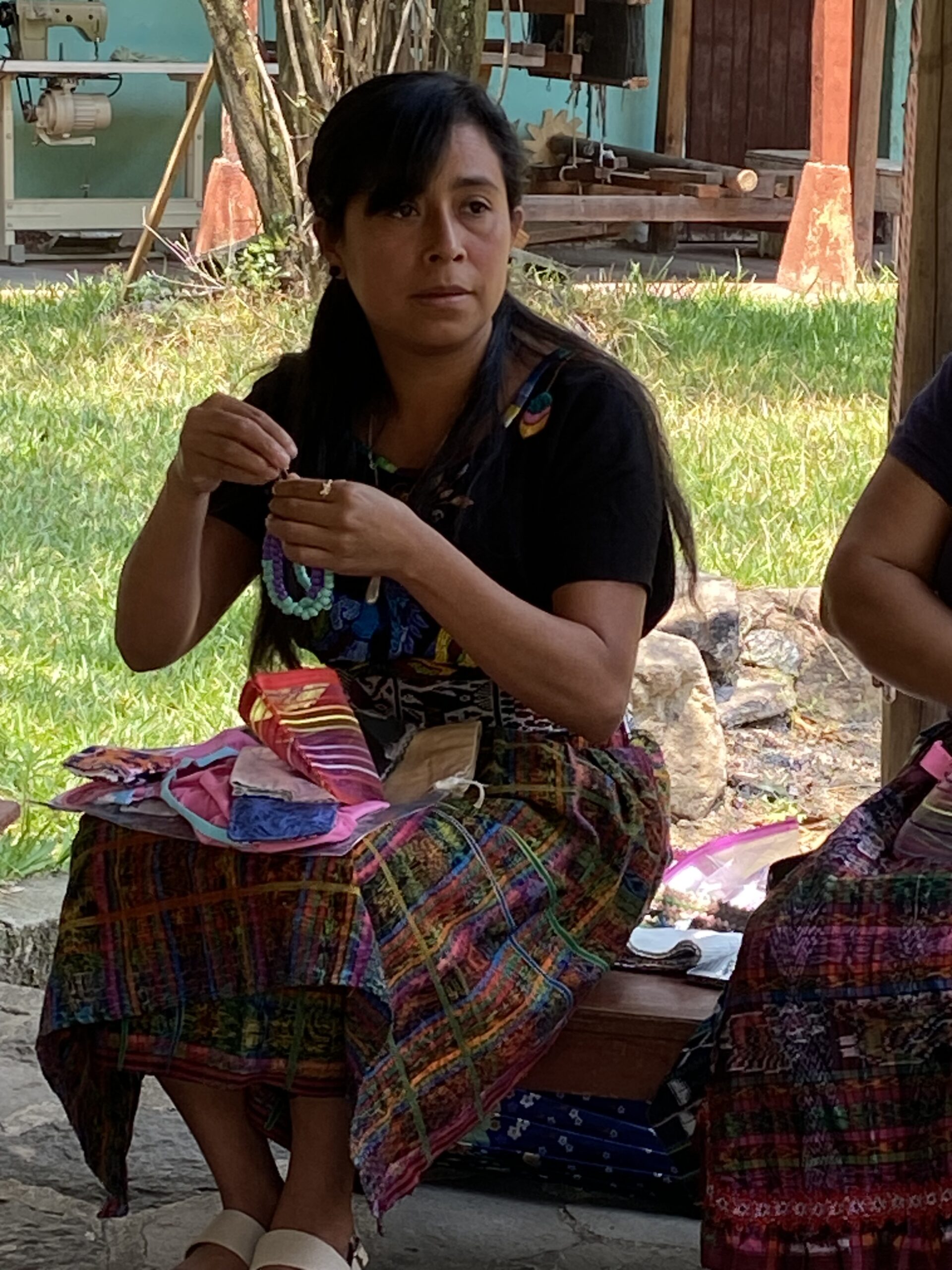
Woman making fertility bracelet

Begin the count with the red bead, which is the first day of your period.
Empieza la cuenta con la perla roja = primer día de la menstruación.

Six days with six purple beads are days where you are not fertile.
Pasan seis (6) días con las perlas moradas = días no fértiles.

Then 12 days, marked by the green beads, are your fertile days, and you can become pregnant.
Pasan doce (12) días con las perlas verdes = días fértiles.

Then you are back to purple beads until you finish your cycle and begin again on a red bead.
Vuelvan a las moradas hasta el final del ciclo = días no fértiles.

Purple bead = not fertile. Green bead = fertile.
Perla morada = no fértil. Verde = fértil.


Why Fertility Bracelets Make a Difference
This method promotes good communication between partners.
Promueve la buena comunicación entre pareja.
History of the Fertility Bracelet

Since the early 2000s, Femina Global teachers have guided workshops on reproductive health in rural areas of Guatemala.

We initially collaborated with the national ALAs/Wings Asociación de Guatemala. ALAs has been teaching the rhythm method of birth control using “CycleBeads,” a large beaded necklace used to track fertility. When followed carefully, the rhythm method is about 87% effective. It is a no-cost, no-chemical method of family planning.

The necklace, as it is called in Guatemala, is popular among indigenous Maya women. However, it had several drawbacks: it cost $25–$35, was large, and the bead colors were not intuitive.

We needed a simple teaching tool that could be distributed to thousands of rural women and youth. It had to be low-cost, discreet, and color-coded so it could be easily understood—even by those who cannot read.

bracelets cu in hands copy

Development of the Fertility Bracelet

We initially collaborated with the national ALAs/Wings Asociación de Guatemala. ALAs has been teaching the rhythm method of birth control using “CycleBeads,” a large beaded necklace with beige and brown beads and a rubber band used to track each day of the cycle. When followed carefully, the rhythm method is about 87% effective.

It is a no-cost, no-chemical method of family planning.

The “necklace,” as it is commonly called in Guatemala, is popular among indigenous Maya women. However, the original CycleBead necklace had several drawbacks: it cost $25–$35, was large in size, and the bead colors were not intuitive for teaching. We needed a simple tool that could be distributed to thousands of rural women and youth. It had to be low-cost, discreet, and color-coded so that even those who cannot read could easily understand and follow the method.

In 2015, Genelle Grant, Ed.D., developed the Fertility Bracelet. The bracelet is made of 31 pony-sized beads on a 12-inch elastic string.

This tool uses:

A red bead to mark the beginning of menstruation
Six (6) purple beads to indicate non-fertile days
Twelve (12) green beads to represent fertile days, when pregnancy can occur
Twelve (12) additional purple beads for non-fertile days until the cycle begins again

A simple bobby pin is moved forward one bead each day to track the cycle.

This teaching tool helps students understand the meaning and pattern of the menstrual cycle through color, making it accessible, practical, and easy to use.

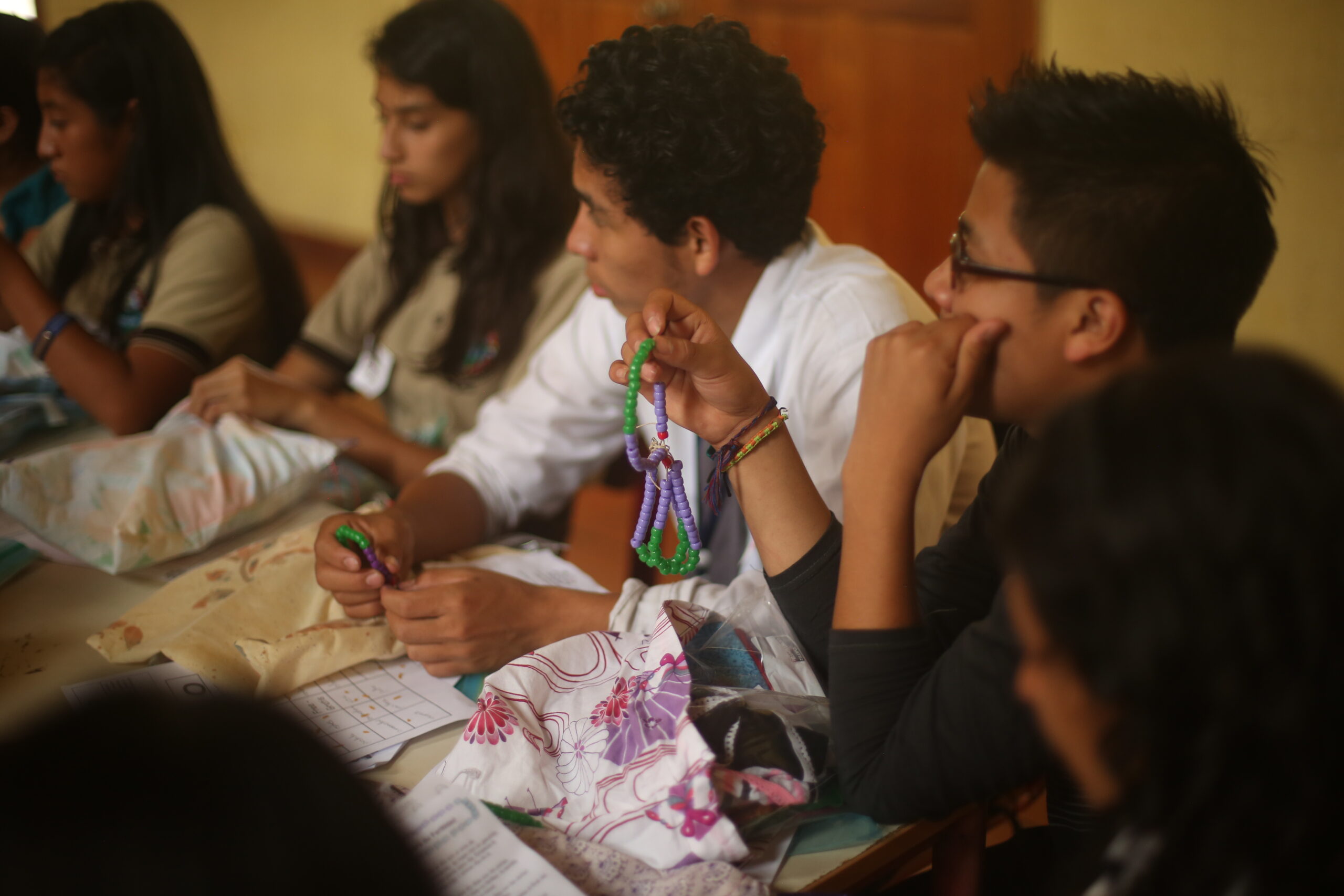
boys bracelets sn lucas